

Rosewood was a small hamlet in Levy County, Florida, founded in 1847. The community was a diverse mix of business owners, skilled laborers, and farmers, centered along the Seaboard Airline Railway. In its early years, Rosewood would have exuded a rustic, and charming ambience with a strong sense of connection to the natural surroundings.
As the community flourished, homes and families grew, bringing elegantly detailed, two-story homes, with fine furnishings, pianos, and sophisticated carpentry.
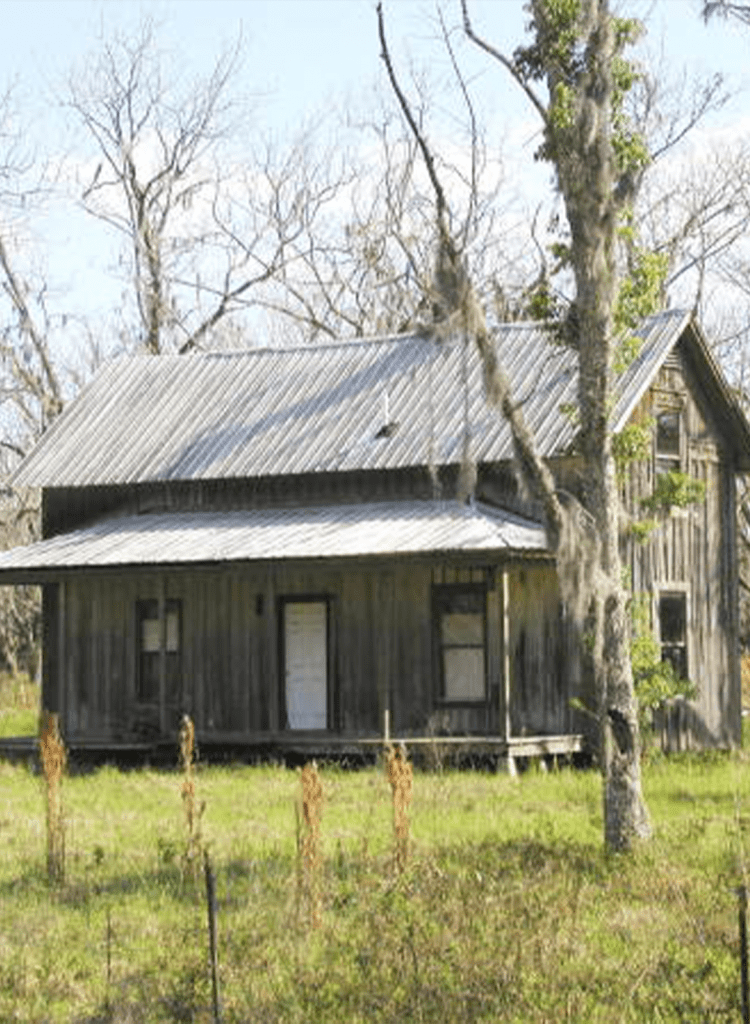
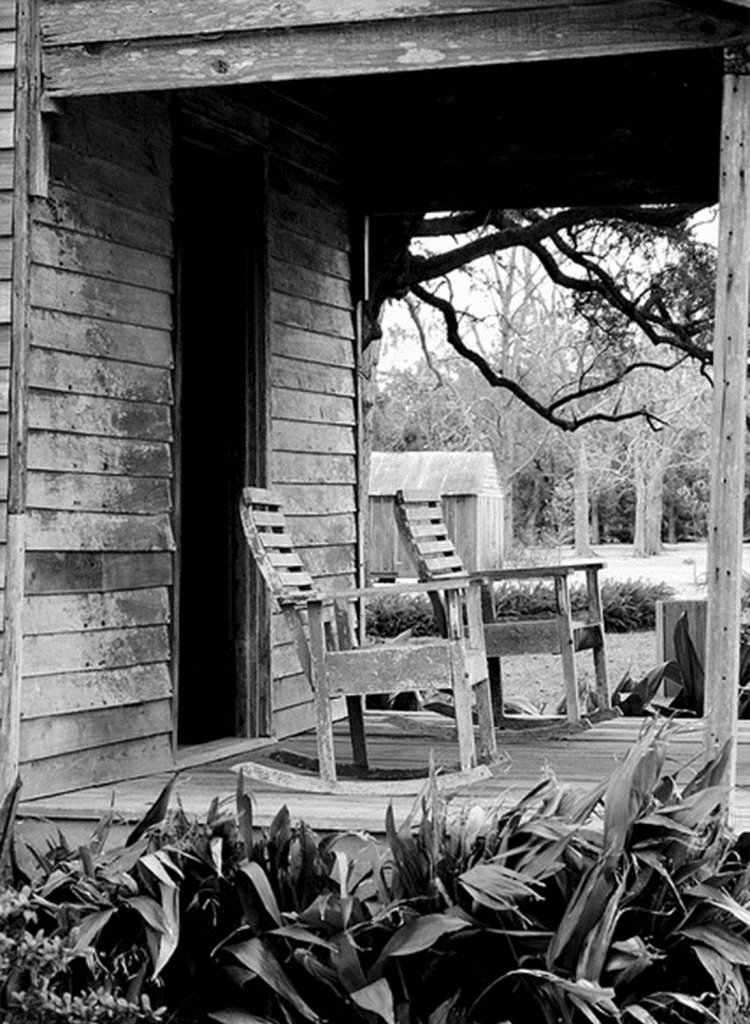
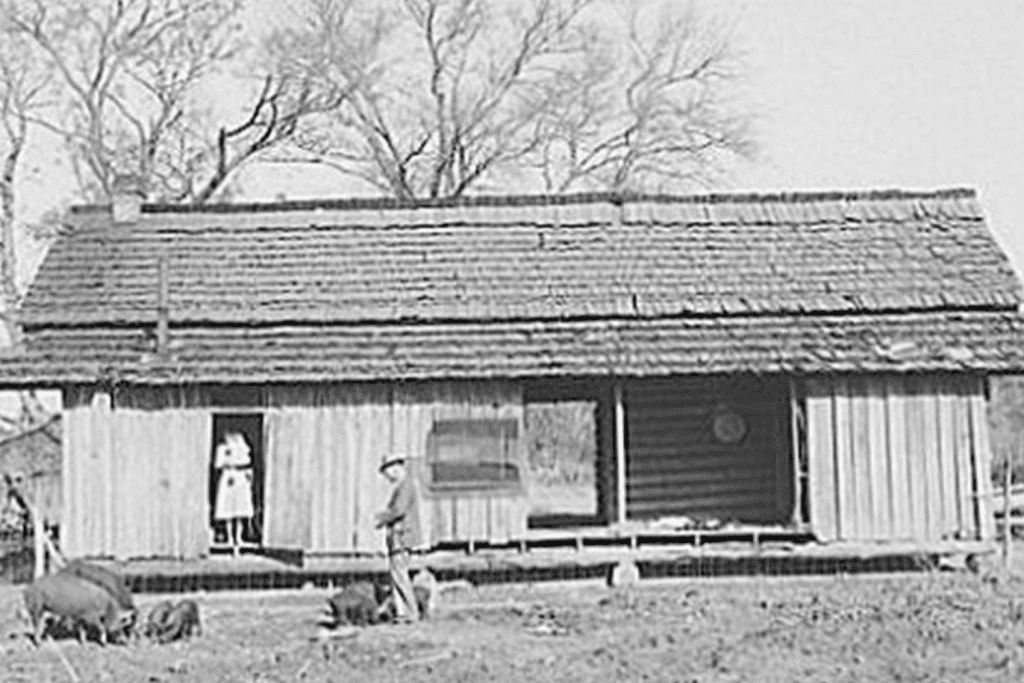
The Rosewood community, prior to the Rosewood Massacre, likely featured a distinctive architectural landscape characterized by Florida’s wood-frame vernacular style (often termed as Floridian cracker house styles), which were prevalent in the late 19th and early 20th centuries.
These architectural elements would have shaped the appearance of the community in several ways (illustrated in photos on slides).
In addition to the exterior style and materiality of Rosewood’s architecture, Florida Vernacular houses also utilized common floor plans in a variety of styles, including the single-pen, dog-trot, shotgun, I-house, and four-square.
The single-pen featured a single room with a central fireplace.
Dog-trot houses consisted of two cabins connected by a breezeway or “dog-trot” in the center.
Shotgun houses were narrow, single-story homes with rooms arranged in a straight line.
I-houses were two-story homes with a center hallway and two rooms on each floor.
Four-square houses were typically two stories with a square footprint and featured a center hall and four rooms on each floor, arranged symmetrically around a central staircase.
These architectural elements, characterized by their practicality, resilience, and harmonious coexistence with the Florida environment, would be characterized as Floridian Vernacular, and essential to the fabric of the Rosewood community.
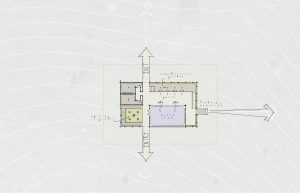
Central to the design of the Rosewood Memorial Pavilion is its inherent flexibility, accommodating a diverse array of programming elements that serve the needs of both the community and visitors alike.
At the heart of the pavilion is the Community Room, a dynamic space designed to foster connection, dialogue, and reflection.
The Community Room serves as a welcoming hub where stories converge, and memories intertwine.
Here, the “Share Your Story” wall stands as an impressive testament to the power of collective narrative, inviting guests to share their own reflections and experiences through handwritten notes affixed to a magnetic rail.
A small outdoor classroom offers an intimate sanctuary for learning and engagement, inviting visitors to delve deeper into the rich montage of Rosewood’s history and legacy.
